
Okay, so check this out—wallets used to be simple. A browser extension, a seed phrase scribbled on a napkin, and you were off. But the web has changed. Fast. Solana’s speed and low fees invite experimentation, and the idea of a full-featured web wallet that feels like a native app? That’s frankly exciting. I’m biased—I’ve been building and using Solana tools for years—but this shift matters for users and builders alike.
First impressions: a web wallet removes friction. No extension installs, no annoying permission pop-ups, and you can hop onto a new device in seconds. That convenience is huge for mainstream adoption. But—my instinct said caution up front—convenience often trades off with attack surface. So let’s walk through what a Solana web wallet like phantom web offers, what to watch out for, and practical steps to use it safely.
Phantom started as a clean, opinionated extension. The web version keeps that aesthetic while leaning into portability. It’s not a gimmick. For many flows—dApp demos, quick trades, NFT viewing—a web-first wallet is actually better. On the other hand, some advanced flows and long-term cold storage still belong to hardware or air-gapped solutions. Initially I thought “this replaces extensions entirely,” but then I realized that’s not quite right—it’s complementary.
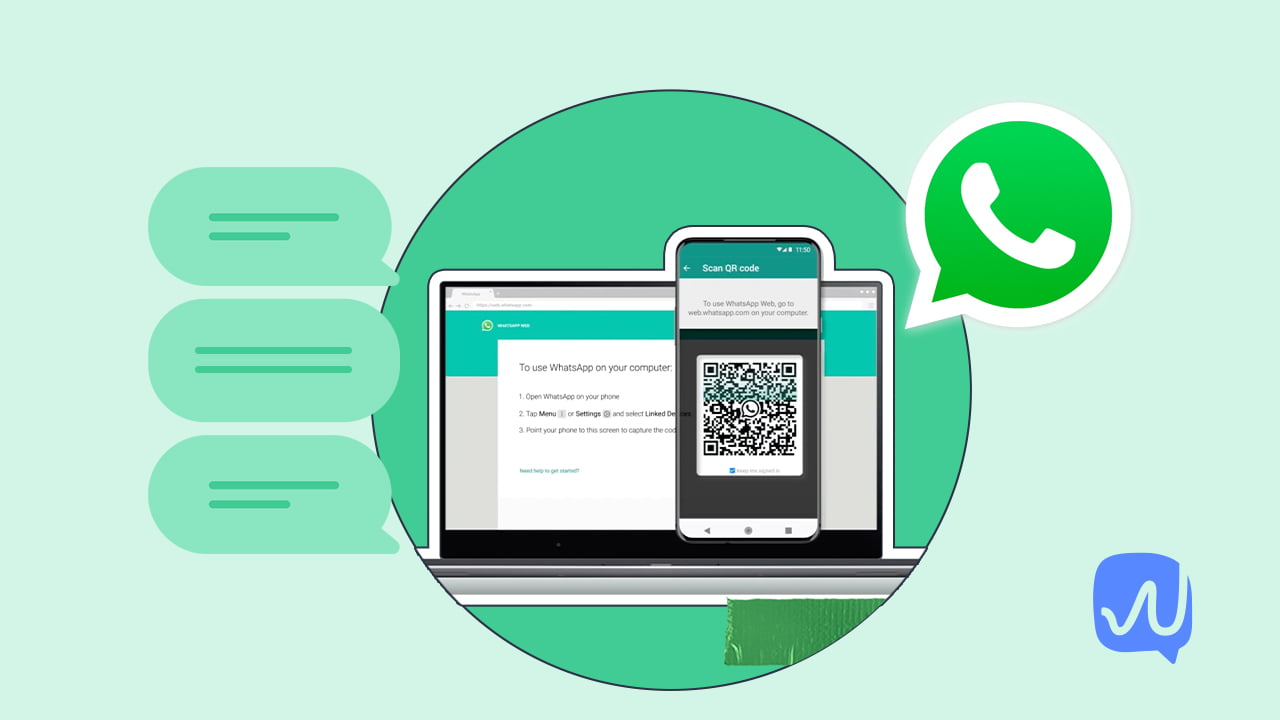
What the web wallet changes (and what it doesn’t)
Quick list. The web wallet: instant access from any device with a browser, often supports account import and multi-wallet management, and can integrate deeply with hosted dApps for a smoother UX. It keeps Solana’s low-latency feel. On the flip side, it doesn’t magically eliminate phishing, browser compromise, or social engineering. So, yeah—better UX, same basic security model, unless you intentionally layer more protections.
Here’s what bugs me about some web wallet rollouts: marketing talks like they solved security. They didn’t. They shifted where users must be vigilant. So, be careful and do a few practical things differently when using a web wallet.
Practical safety checklist:
- Use a dedicated browser profile for crypto interactions. Seriously—separate your regular browsing from wallet sessions.
- Prefer hardware-assisted signing for large transfers. If the web wallet lets you connect a Ledger, use it for big moves.
- Verify the domain. Bookmark the official site and never click a random link to log in via a wallet pop-up.
- Use strong, unique passwords for any account wrappers and enable 2FA when available.
How to get started with phantom web—fast guide
Okay, step-by-step. These are practical, not exhaustive. I’m not a lawyer or your guardian. But I use this flow daily.
1) Visit the official site. Bookmark it. The single link here is the one you want: phantom web. It sounds obvious, but most compromises start with a mistyped domain.
2) Create/import an account. You can create a new wallet on the web or import an existing keypair/seed—depending on what the service supports. If you import, double-check the import method. Some services only let you import via encrypted keystore files, others via mnemonic. Prefer the flow that avoids exposing your full mnemonic on a hot machine.
3) Configure session behavior. Web wallets usually offer session timeouts, auto-lock, and transaction prompts. Set the timeout short if you’re paranoid. I обычно set mine to 5-10 minutes on a laptop. Yes, that’s extra hassle but worth it.
4) Connect to a dApp carefully. When a dApp requests a wallet connection, the web wallet will open a consent dialog. Read the request—some ask for signing arbitrary messages that can mislead you about approvals. Ask: Does this request match the expected action? If not, deny and investigate.
5) Test with small amounts. Before trusting a new dApp or a new web wallet workflow, try a tiny transfer or a read-only request. This is boring, but it’s the most reliable way to avoid regrettable mistakes.
Developer notes: integrating with a web wallet
If you build on Solana, web wallets lower onboarding friction for users. They allow you to provide a near-native app experience without forcing an extension install. From a dev perspective, there are a few things to design for:
- Graceful failures—handle session drops or lost connections elegantly.
- Explicit transaction contexts—show users what they’re signing with plain language and structured metadata.
- Progressive enhancement—support both web wallet flows and extension/hardware wallets.
On the protocol side, Solana’s RPC and transaction model remain the same. You still need to batch instructions thoughtfully, manage retries, and handle finality expectations. The web wallet won’t fix poor UX in your dApp; it just removes one more barrier for users.
Common pitfalls and how to avoid them
Phishing and spoofed popups. They’re still alive and well. A common trick is a cloned site that triggers a prompt and asks you to paste your seed or verify a “security challenge.” Never paste your seed phrase into a website. Ever.
Cookie and extension bleed. If your browser is cluttered with extensions, some of them could be malicious or overly permissive. Keep the browser lean when using web wallets. Also, clear site data from time to time if you suspect something odd.
Account hygiene. If you have multiple wallets or chains, use clear naming and labels. It’s so easy to send a high-value NFT to the wrong account if wallets look identical. I once almost did that during a late-night listing. Oof.
FAQ
Is a web wallet as secure as a browser extension?
Not inherently. They have different threat models. A web wallet reduces installation friction and can be sandboxed, but both run in environments susceptible to browser compromises. The added safety comes from how you use them: hardware keys, separate profiles, and cautious UX all matter.
Can I recover my account if I lose access to the web session?
Yes—if you’ve saved your seed phrase or backed up your key material. Treat the seed as the ultimate recovery tool and store it offline. If the web wallet offers account export or encrypted backups, use them and keep copies in separate secure locations.
Should I switch to a web wallet right now?
Depends. For casual use and demos, yes—it’s great. For custody of large sums, mix approaches: keep cold storage for long-term holdings and use a web wallet for active trading or discovery. I’m not 100% dogmatic here—it’s about layered security.
Wrapping up—well, not a neat bow, but a realistic note—web wallets like phantom web are a meaningful step forward for Solana UX. They make onboarding easier and open the door to cleaner dApp experiences. That said, they don’t remove responsibility. Be deliberate about where you put keys, how you connect to dApps, and what you approve. The tech is getting better. Your habits need to keep up.